Buying A Condo Or Townhome In Encinitas: What To Know
July 2, 2026
July 2, 2026
Wondering if a condo or townhome is the smartest way to buy in Encinitas? You are not alone. In a coastal market where detached home prices can feel out of reach, these property types often offer a more manageable path to beach-close living, but they come with rules, fees, and documents you need to understand before you write an offer. This guide walks you through the big-picture market, HOA details, key disclosures, and the questions that can help you buy with more confidence. Let’s dive in.
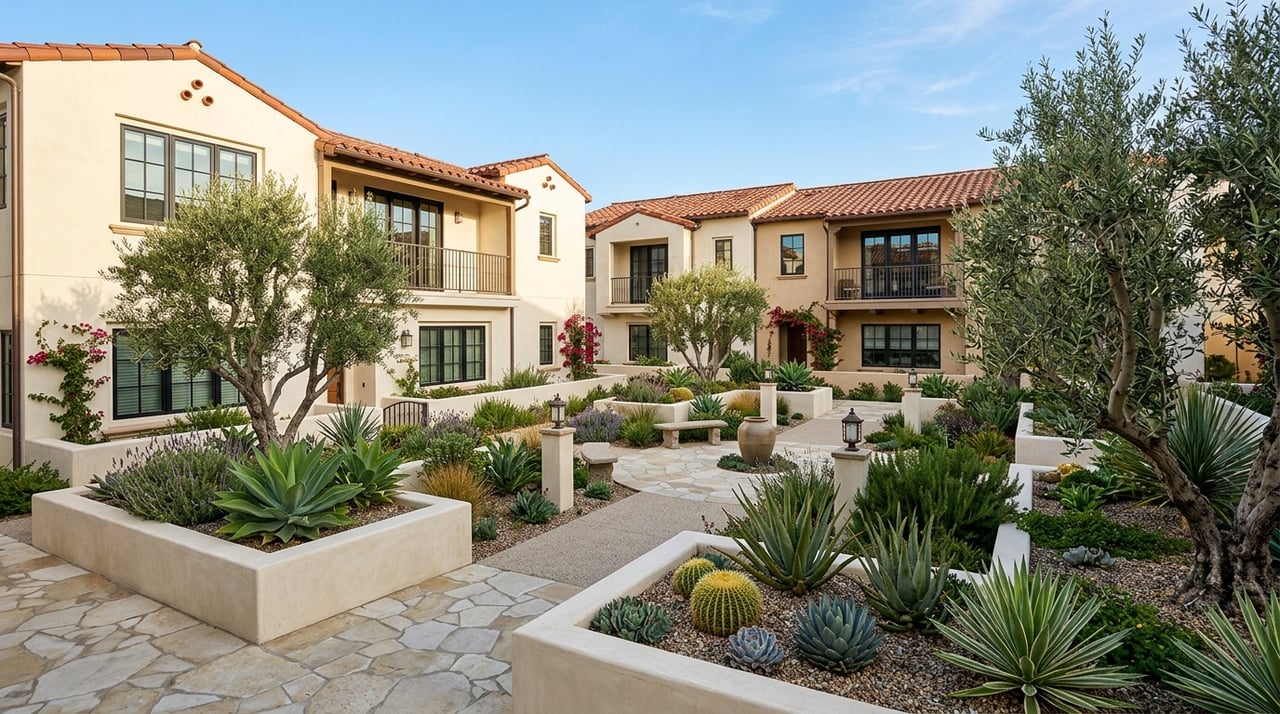
Encinitas is a coastal city in North County San Diego with more than six miles of Pacific coastline, a strong beach lifestyle, and steady buyer demand. That setting makes condos and townhomes appealing if you want lower exterior upkeep while still enjoying a location near the coast.
They are often a more accessible option than a detached home, but that does not mean they are inexpensive. As of current Redfin inventory, Encinitas shows 34 condos for sale with a median listing price of $875,000 and 10 townhouses for sale with a median listing price of $1.5 million.
The broader market also shows how premium Encinitas remains. Zillow places the city’s typical home value at $1,934,981 as of May 31, 2026, and Redfin reports a recent all-home median sale price of $2,178,696 for the three months ending May 2026. Homes are also moving fast, with an average sale time of about 19 days.
Many current listings highlight the lifestyle buyers are looking for in Encinitas. Features often include beach-adjacent locations, community pools, private decks, two-car garages, and homes west of Coast Highway 101.
You may also see listings tied to nearby areas such as Cardiff, Leucadia, Cardiff-by-the-Sea, North San Diego, and La Costa. These are helpful reference points when you compare location, price, and property style across the local market.
A condo and a townhome can look very different, but the legal and maintenance setup matters more than the label on the listing. In California common interest developments, the governing documents decide who handles what.
Under California law, the association generally maintains the common area, while you maintain your separate interest. For exclusive-use common areas, you generally handle maintenance, while the association usually handles repair and replacement unless the governing documents say otherwise.
That means you should not assume the HOA covers the roof, siding, patio, balcony, or landscaping just because a property is called a townhome. The CC&Rs are what tell the real story.
With any Encinitas condo or townhome, the HOA is a major part of your ownership experience. Your monthly dues may cover more than exterior upkeep, but the amount of coverage varies from one community to another.
Before you buy, look beyond the fee itself. You want to know what the HOA maintains, what it insures, how healthy the reserves are, and whether major repairs are already on the horizon.
This is especially important near the coast, where salt air, moisture, and weather exposure can put extra stress on building materials. A lower monthly HOA fee is not always a better deal if it means the association is underfunded or deferring repairs.
In Encinitas, building-envelope and moisture issues should be part of your review. Water intrusion, exterior wear, and deferred maintenance can become expensive in any coastal property, especially in communities with balconies, decks, and exterior stairways.
California law now requires condominium associations to inspect certain exterior elevated elements, including qualifying balconies, decks, stairways, and walkways, at least once every nine years. The findings must also be incorporated into the reserve study.
For you as a buyer, that makes a few items especially important to review:
California requires sellers to provide a wide range of HOA disclosures before closing. When the HOA package is requested by the buyer or seller, the association must provide the requested documents within 10 days.
This paperwork can tell you a lot about the true cost and condition of the property. It can also show whether the community is well managed or if problems are building under the surface.
Ask for the CC&Rs, bylaws, and current rules. These documents explain maintenance responsibilities and can also spell out practical restrictions that affect your day-to-day use of the property.
You should also review any age restrictions or rental restrictions if future flexibility matters to you. If you may want to rent the property later, this step is especially important.
The annual budget report should include a reserve summary, reserve funding plan, whether special assessments are expected, any outstanding association loans, and a summary of the association’s property and liability insurance. For condominium projects, it also includes whether the project is FHA-approved and VA-approved.
Reserve planning matters because it shows whether the association is setting aside funds for long-term repair and replacement. California associations subject to the statute must conduct a reserve study at least once every three years, review it annually, and disclose projected reserve funding and percent funded.
A healthy reserve position does not guarantee there will never be a special assessment. Still, it can help you gauge whether the association is planning responsibly for future capital work.
Do not assume the HOA’s insurance policy covers everything. The insurance summary warns that the association’s policy may not cover your interior property or improvements, and deductibles may still become your responsibility.
That is why it helps to review both the insurance summary and the policy declaration pages. You want a clear picture of what the HOA insures, what you may need to insure separately, and how a claim might affect you.
Board minutes from the last 12 months can be very revealing. They may point to recurring repairs, management concerns, upcoming projects, or ongoing disputes that are not obvious from the listing.
These minutes do not tell the whole story, but they can help you spot patterns. If the same issue keeps coming up, it is worth asking more questions before you move forward.
You should also ask about approved assessment changes that are not yet due, special assessments, association loans, unresolved violations, and any defect or repair disclosures. These items can affect your budget and your comfort level with the community.
If a project has major repairs planned, the timing matters. A property that looks attractive at first glance can become much more expensive once future HOA costs are fully understood.
When you are comparing condos or townhomes in Encinitas, practical questions usually matter more than cosmetic ones. A beautiful kitchen is great, but the ownership structure and financial health of the HOA can have a bigger impact over time.
Here are some of the most useful questions to ask:
These questions can help you compare properties more accurately. They also help you avoid focusing only on list price.
One of the biggest mistakes buyers make is comparing a condo and a townhome based only on purchase price. In Encinitas, the better approach is to compare total ownership cost.
That means looking at the purchase price, monthly HOA dues, reserve strength, insurance exposure, and likely maintenance responsibilities together. A lower-priced property with weaker reserves or higher risk of future assessments may not be the better value.
This is where a step-by-step review can really protect you. When you understand the documents, the numbers, and the maintenance setup, you can make a decision that fits both your lifestyle and your budget.
Buying in Encinitas often means moving quickly, but quick does not have to mean rushed. With homes selling fast, it helps to know in advance which HOA questions matter most and which documents deserve a close look.
A lender familiar with condo financing, a home inspector, and an agent who regularly reviews HOA documents can all help you evaluate risk early. That kind of preparation can make the process feel much clearer, especially if you are a first-time buyer, relocating, or using VA financing where project approval matters.
If you are weighing condos or townhomes in Encinitas, the goal is not just to find a property that looks good online. It is to find one that works for how you want to live, what you can comfortably own, and how protected you feel after closing.
If you want clear guidance as you compare communities, review HOA documents, and make sense of the numbers, Jill Vodicka can help you move forward with confidence.
Stay up to date on the latest real estate trends.
Get expert assistance in determining current property value, crafting a competitive offer, and writing and negotiating a strong contract. I’ll guide you through market analysis, pricing strategy, inspections, and closing—ensuring every step is handled with clarity and confidence. Contact me today to get started.